Both sides of
the table.
I have written the software and run the P&L. That combination is the whole practice.

I have spent 25 years in technology and operations. I have written code and led engineering teams, and I have run the P&L. As President of a private equity backed company, I drove 30 to 50 percent year-over-year growth. I co-founded an AI-powered underwriting and market intelligence platform built to drive institutional real estate investment, served as its Chief Strategy Officer, and analyzed more than $55 billion in assets with it. I was building AI systems for capital allocation long before the current cycle.
I do not need an engineering team anymore.
I am COO and co-founder of a luxury consumer company spanning fine art, specialty coffee, memberships, and expeditions. I architected and shipped the entire operating stack myself using frontier AI models: end-to-end commerce from browse through checkout to fulfillment, a 175-table production database, and AI agents running marketing, finance, customer service, sales, legal, and creative work, orchestrated at more than a hundred concurrent agents with independent verification. A traditional team covering those functions would cost roughly $950,000 a year. We run it for a few hundred dollars a month.
I do the same work outside my own company: an AI trading and analysis platform for a venture fund whose advisor retrains itself weekly on its own outcomes, the AI system for a newly formed real estate investment fund, a venture-scale consumer nature-protection company designed from strategy through financial model, and a health and performance app built for a professional athlete. Five sectors, one method: take a problem from definition to production in days rather than quarters.
Because I have run real engineering organizations, I know what they cost, how they fail, and where AI genuinely replaces them versus where it does not. That distinction is where most AI adoption programs die, and it is the difference between a pilot that stalls and a system that runs. I replace friction, not people, and I build systems the executive team can operate confidently after I leave.
Commerce, not charity.
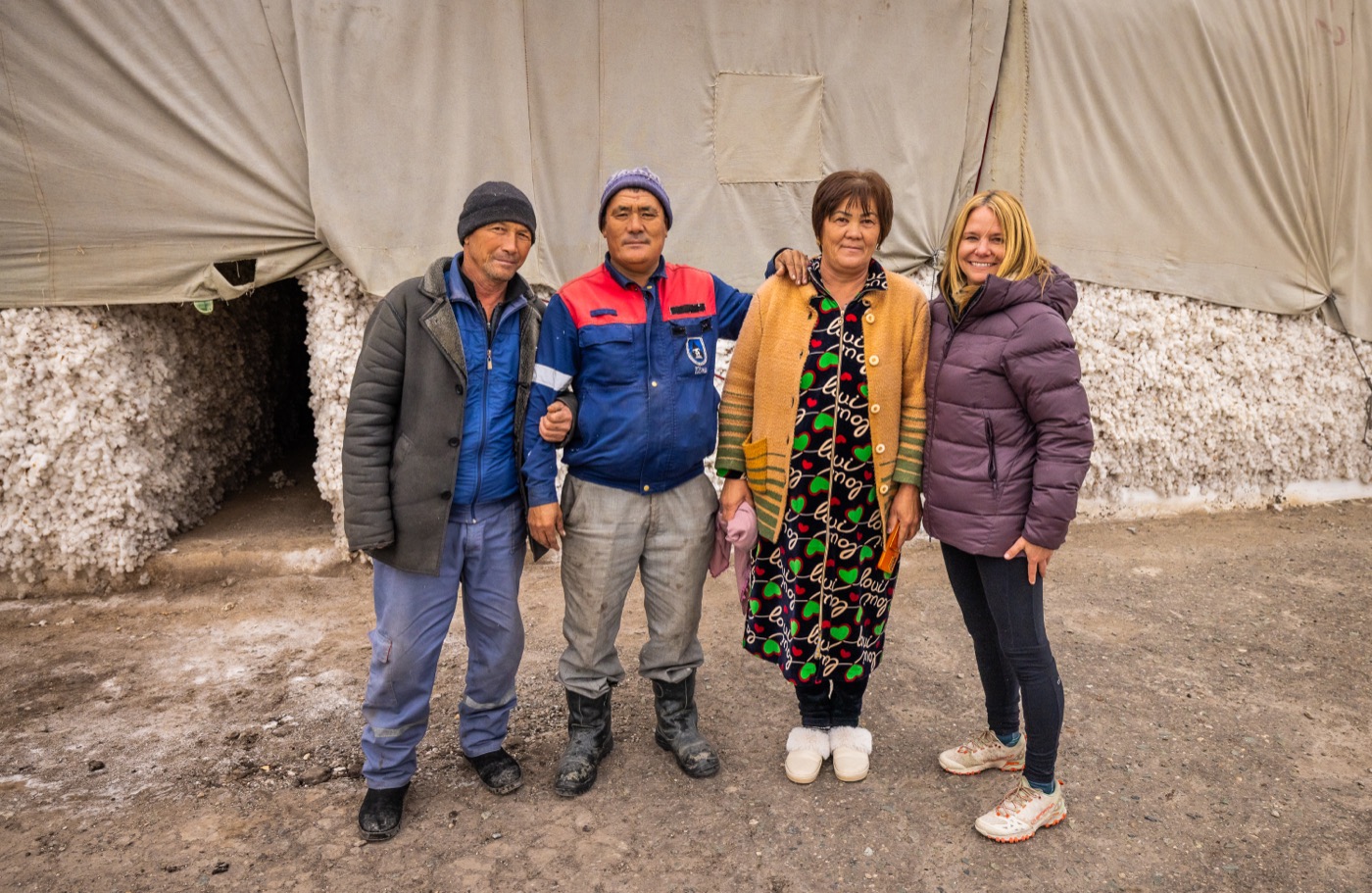
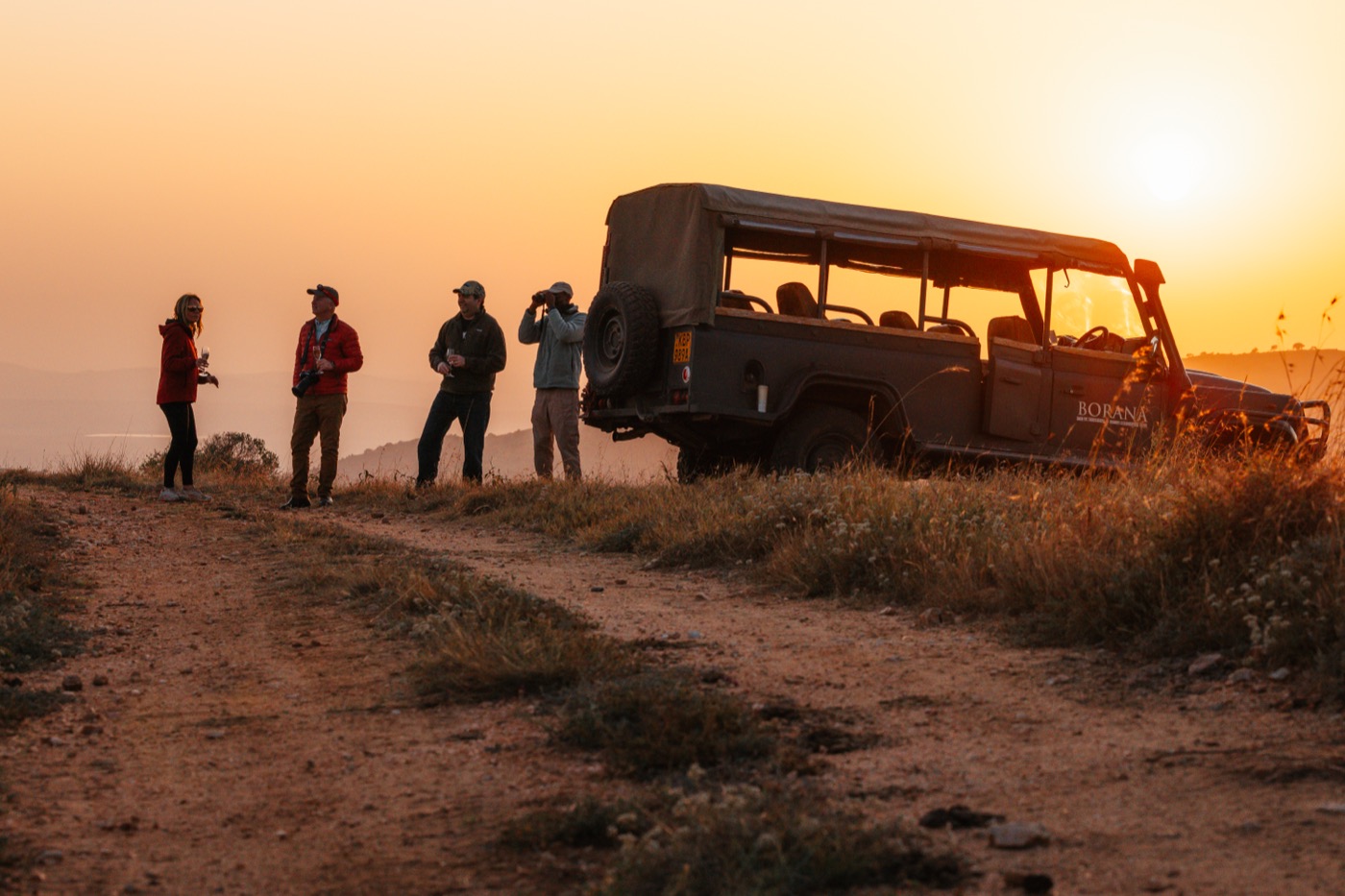
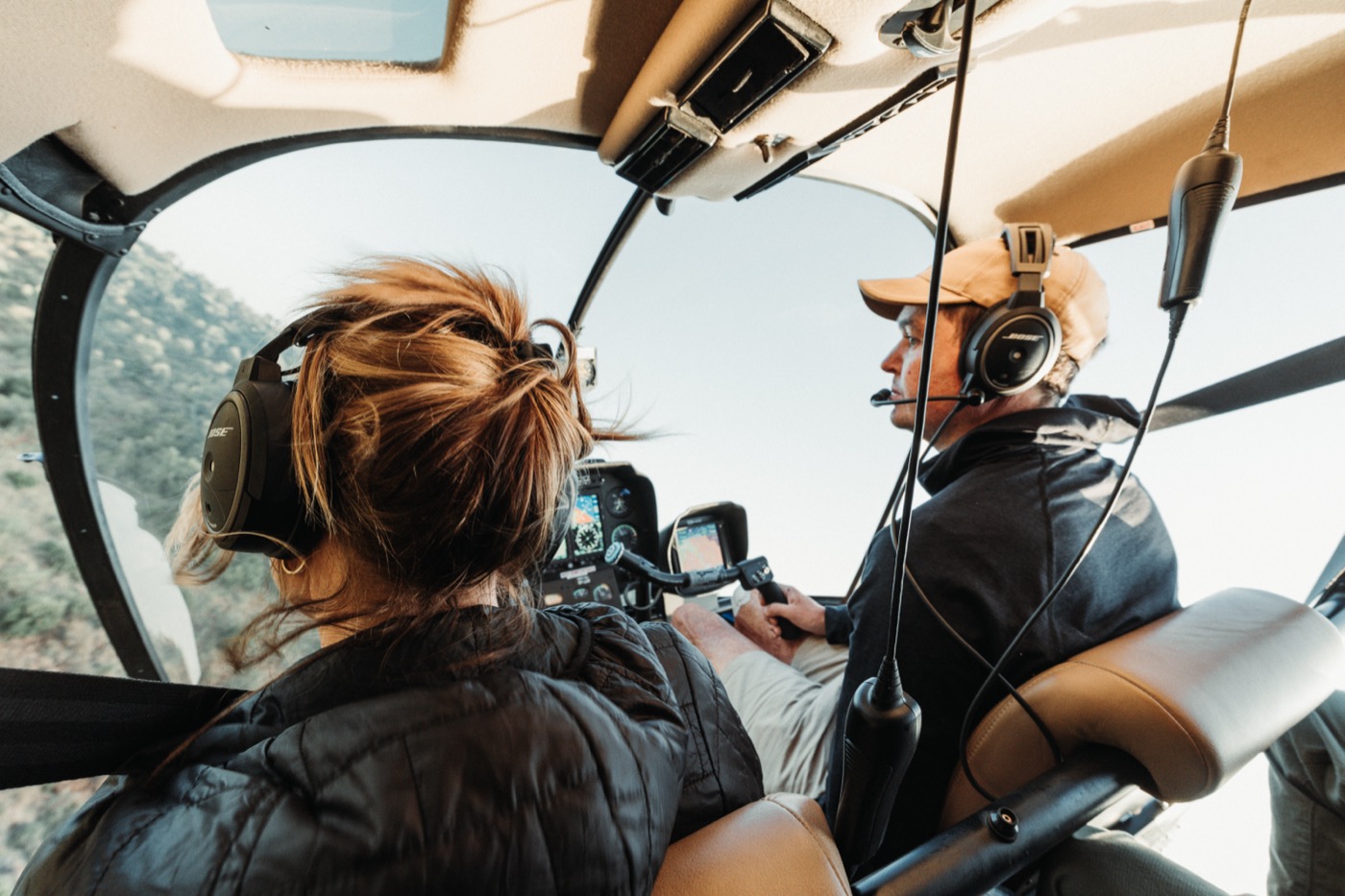
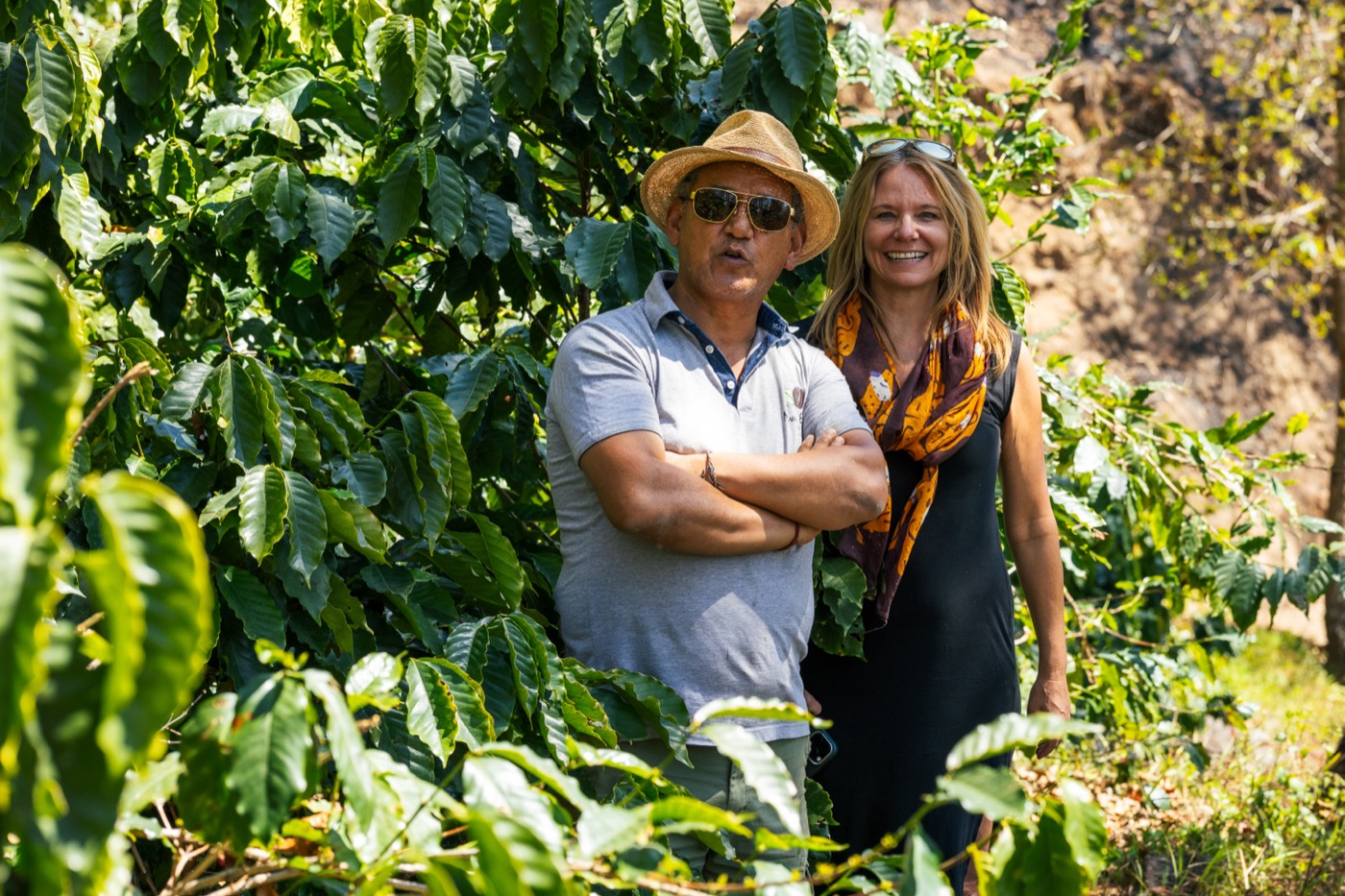
The companies I build fund a global mission: origin partnerships that pay at source, wildlife corridors, a school in Nepal, and community enterprises across three continents. The photographs below are that work, not stock imagery. The mission work →